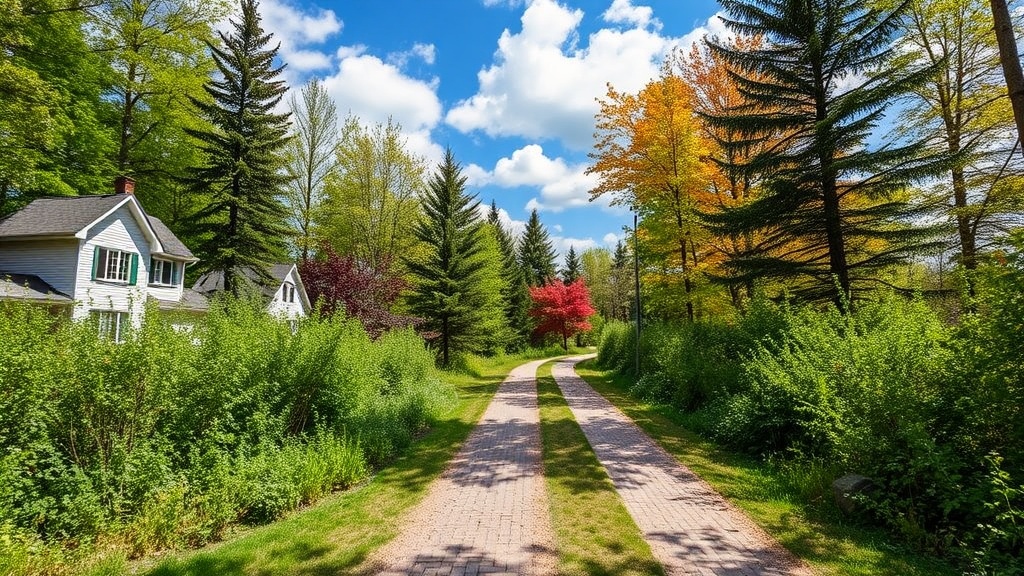
Which Wasaga Beach Neighbourhoods Offer the Best Access to Parks and Trails?

What makes a neighbourhood truly walkable in Wasaga Beach?
You are standing at the corner of Sunnidale Road and Beach Drive, coffee in hand, wondering whether your morning stroll should take you toward the shoreline or inland toward the trails. For those of us who have put down roots in Wasaga Beach, this is not a tourist's dilemma—it is a daily decision that shapes how we experience our community. Whether you have lived here for decades or just unpacked your last box, understanding which neighbourhoods offer the best access to green spaces can change how you interact with the town we call home.
Wasaga Beach stretches across a unique geography where residential pockets sit between the world's longest freshwater beach and the rugged trails of the Niagara Escarpment. Not all areas are created equal when it comes to walkability, park access, and trail connectivity. Some streets dead-end into sandy paths that lead straight to Georgian Bay. Others back onto conservation corridors where you can walk for kilometres without crossing a road. This matters for dog owners who need daily routes, parents pushing strollers, retirees maintaining active routines, and anyone who prefers to leave the car in the driveway.
Where can you find the most direct beach access from your front door?
The Beach Area One and Two districts remain the most sought-after locations for residents who want sand between their toes without hunting for parking. Streets like Mosley Street, 66th Street, and 72nd Street run perpendicular to the shoreline, creating natural corridors that locals use as unofficial beach access points. If you live on one of these cross-streets, you are rarely more than a five-minute walk from the water.
But direct beach access is not just about proximity—it is about practical daily use. Residents near the intersection of Main Street and River Road East enjoy something tourists rarely consider: the ability to walk to the beach at 6 AM with a thermos and a folding chair, before the crowds arrive and parking lots fill. They know which stretches of sand stay quieter on weekday mornings. They have learned which dunes offer the best windbreaks when the breeze picks up off the bay.
The neighbourhoods between 30th Street and 50th Street offer a different advantage. Here, the beach feels less like a destination and more like an extension of your backyard. Locals in this zone—particularly those on Second Street and Third Street—often develop routines that incorporate the shoreline into daily life. Morning walks with coffee, evening strolls to watch the sunset, quick dips during lunch breaks. This is not vacation behaviour. This is how Wasaga Beach residents actually live.
Which residential areas connect best to the trails around Wasaga Beach?
While the beach gets the attention, the trail network around Wasaga Beach forms the backbone of our local outdoor culture. The Wasaga Beach Provincial Park maintains over 50 kilometres of trails, and certain neighbourhoods offer direct access that residents use year-round.
The area around Klondike Park Road—specifically the streets branching off between Mosley Street and River Road West—sits adjacent to some of the most accessible trailheads. Residents here can step onto the Blueberry Trail within minutes, connecting to the larger network that winds through dunes, wetlands, and hardwood forests. In autumn, these paths fill with locals photographing the changing leaves. In winter, they become routes for snowshoeing when conditions allow.
The west end of town, particularly the neighbourhood between 28th Street and 40th Street west of River Road, offers access to less crowded trail sections. These streets—Mapleview Drive, Spruce Street, and the numbered avenues—back onto conservation land that few tourists ever discover. Locals know that heading west from the beach area leads to quieter paths where you can walk for an hour and encounter only fellow residents.
The Pine Drive area presents another option for trail-focused residents. This neighbourhood sits between the developed beach zone and the more rugged terrain near the Nottawasaga River. From here, you can access the provincial park's interior trails as well as the riverfront paths that run parallel to the waterway. It is a practical choice for families who want variety—beach one day, woodland trails the next—without driving across town.
What about the neighbourhoods farther from the shoreline?
Living inland does not mean sacrificing outdoor access. The area around Stonebridge Drive and the surrounding developments offers a different model of walkability. Here, the Town of Wasaga Beach has invested in paved multi-use paths that connect residential streets to local parks, schools, and shopping areas. These are not wilderness trails, but they serve a crucial function for daily life.
Residents near Woodland Drive and the surrounding streets can walk to the RecPlex on 16th Street without ever sharing space with car traffic. The path network runs through open green spaces, past playgrounds, and connects to the larger trail system near the beach. For families with young children or anyone who prefers predictable, well-maintained routes, this infrastructure matters more than proximity to wilder terrain.
The Stonebridge and surrounding area also benefits from proximity to small neighbourhood parks—Linton Park, Ralph Street Park, and the green spaces along the Snake Creek corridor. These are not destination parks that attract visitors from other towns. They are practical local amenities where neighbours meet, children play, and dog walkers establish daily circuits. This kind of distributed green space creates a different quality of life than living next to one large park.
How do seasonal factors affect neighbourhood walkability in Wasaga Beach?
Any discussion of walkable neighbourhoods in Wasaga Beach must account for our seasons. What works in July may not function in February. The beachfront streets that offer such convenient summer access become wind tunnels in winter, with drifting snow and limited shelter. Residents along Beach Drive and the numbered streets know to plan accordingly—some invest in proper winter gear and embrace the exposure, while others retreat to inland routes until spring.
Conversely, the inland neighbourhoods with tree cover and protected paths become more valuable during the colder months. The trail network near Klondike Park Road and the west-end streets maintains better conditions under snow, with tree cover reducing wind exposure. Local walkers learn these patterns quickly. A route that feels exposed and unpleasant in January might be perfect in June.
The spring and fall shoulder seasons present their own considerations. Melting snow and autumn rains can make unpaved trails muddy and difficult to navigate. Neighbourhoods with paved path networks—Stonebridge, the areas near the RecPlex, the developed sections along River Road—offer more reliable year-round walking options. For residents who maintain daily walking routines regardless of weather, this infrastructure consistency matters.
Where should you look if walkability is your priority?
If you are considering a move within Wasaga Beach—or evaluating whether your current location serves your needs—start by mapping your actual daily routines. Do you need beach access for morning walks before work? Look at the numbered streets between 30th and 50th. Are trail systems more important than shoreline? Focus your search around Klondike Park Road or the west-end neighbourhoods near 40th Street. Do you have children who need safe routes to school and playgrounds? The Stonebridge area and its connected path network might suit you better than beachfront locations.
Talk to residents in the areas you are considering. Ask them where they walk their dogs in winter. Ask which routes stay passable after heavy snow. Ask whether the beach crowds in summer make their streets impassable or merely lively. These practical details rarely appear in real estate listings, but they shape daily life more than any granite countertop ever could.
We live in a town where natural beauty is not a luxury amenity but a baseline condition. The question is not whether you can access outdoor space in Wasaga Beach—it is how easily that access integrates into your specific daily life. The right neighbourhood makes walking not an activity you schedule, but simply the way you move through your day. Whether that means carrying your kayak to the beach at dawn, pushing a stroller along paved paths, or hiking trails with your dog before breakfast, Wasaga Beach has a neighbourhood that fits. The trick is matching your priorities to the right streets.