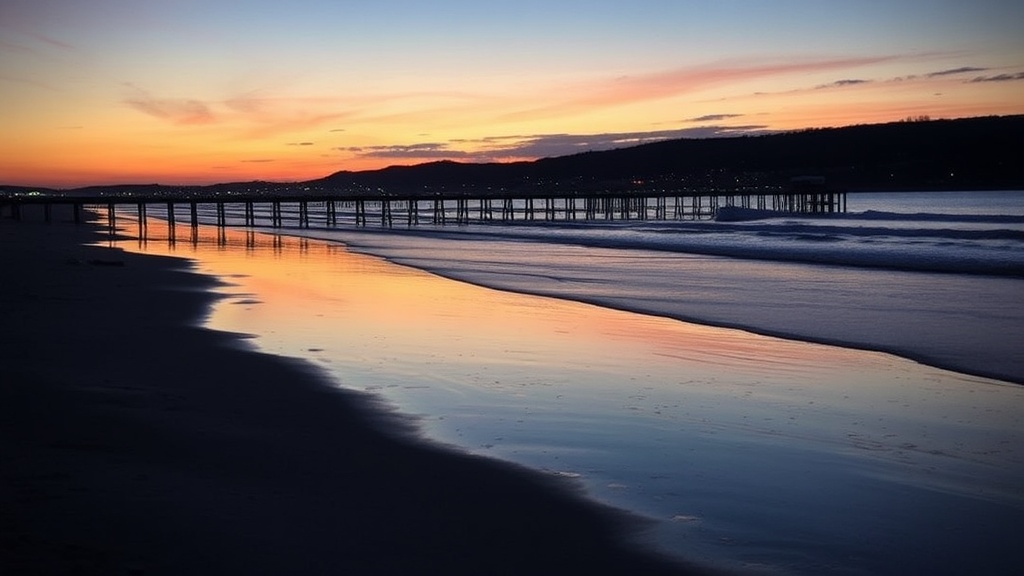
Beyond Summer's Haze: How to Experience Wasaga Beach in Its Quieter Months

Beyond Summer's Haze: How to Experience Wasaga Beach in Its Quieter Months
Did you know that while Wasaga Beach swells to over 2 million visitors in peak summer, its year-round population of roughly 22,000 residents enjoys a dramatically different, often overlooked, experience for eight months out of every twelve? This article will guide you through making the most of Wasaga Beach during its autumn, winter, and spring seasons, offering insights into its unique appeal when the summer crowds have receded. Understanding these rhythms allows for a deeper appreciation of the town's natural beauty and community spirit, providing opportunities for tranquility and local engagement that are often eclipsed by the warmer months' hustle.
What activities can you enjoy in Wasaga Beach when it's not summer?
Stepping away from the traditional beach activities doesn't mean Wasaga Beach becomes dormant; quite the opposite. The off-season unveils a wealth of pursuits for those seeking a different kind of coastal experience. In autumn, the area transforms into a spectacular canvas of fall colours, perfect for long, contemplative walks along the shoreline or through local trails. The crisp air invigorates, and the changing leaves provide a stunning backdrop to the vast expanse of Georgian Bay.
Winter brings its own magic. While swimming is out of the question for most, the frozen landscape opens doors to other adventures. Cross-country skiing and snowshoeing become popular on the network of trails, especially within the Wasaga Beach Provincial Park. Imagine gliding through a snow-laden forest, the only sounds being the soft crunch of snow beneath your feet and the distant calls of winter birds. Ice fishing is another cherished local pastime, with various spots offering opportunities for a quiet day on the ice. The sheer quietness of the town in winter, juxtaposed with the vibrant summer, is a profound experience in itself.
As spring arrives, the melting snow revitalizes the landscape, and migratory birds begin their return, making it an ideal time for birdwatching. The trails become accessible again, offering muddy but rewarding hikes as flora begins to bloom. Kayaking and canoeing can resume on the Nottawasaga River, often with fewer boats and a serene atmosphere, allowing for closer encounters with wildlife that might be shy during busier periods.
For those interested in local history, the Nancy Island Historic Site, though typically a summer attraction, offers a tranquil setting for a walk even when its indoor exhibits are closed. The interpretive trails provide context to the War of 1812's impact on the area—a fascinating way to connect with the past amidst natural beauty.
Where are the best places to explore Wasaga Beach's natural beauty in autumn or spring?
Wasaga Beach's natural beauty isn't confined to its famous beachfront. Indeed, some of its most compelling landscapes truly shine when summer's clamour fades. The Wasaga Beach Provincial Park, home to the world's longest freshwater beach, extends beyond the sand to include diverse ecosystems. Its trail systems are particularly enchanting in the cooler months.
The Ganaraska Trail, which passes through the park, offers kilometres of pathways perfect for hiking, cycling, or — as mentioned — cross-country skiing. In autumn, these trails are ablaze with reds, oranges, and yellows. The canopy overhead provides a kaleidoscope of colours, while the fallen leaves crunch satisfyingly underfoot. Spring, on the other hand, reveals delicate wildflowers and the vibrant greens of new growth, creating a sense of renewal that is palpable.
Another excellent location is the Nottawasaga River. While popular for boating in summer, its banks become peaceful havens for nature lovers in the off-season. Kayaking or canoeing down the river during these quieter times allows for an unhurried exploration of its bends and hidden inlets. You might spot various waterfowl, deer, or even a majestic bald eagle. The stillness of the water often creates stunning reflections of the surrounding trees and sky.
Don't overlook the local conservation areas, like the areas managed by the Nottawasaga Valley Conservation Authority (NVCA). These often feature well-maintained trails that provide different perspectives of the region's natural heritage. They are less frequented than the main beach areas, offering solitude and excellent opportunities for photography, especially of the diverse plant and animal life that thrives outside the busiest tourist season. You can find more information on their offerings at the