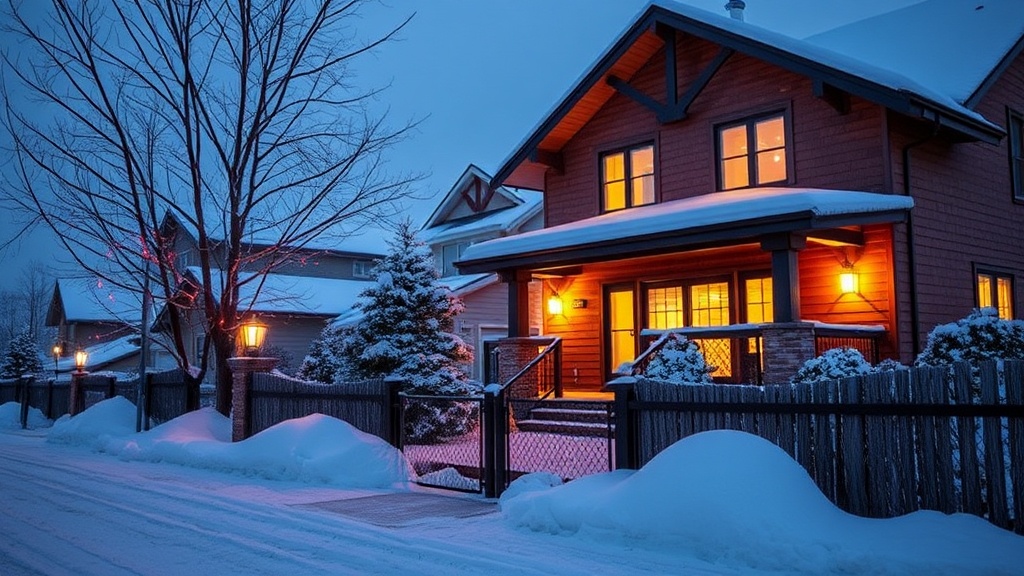
Ahead of the Chill: Getting Your Wasaga Beach Property Winter Ready

Ahead of the Chill: Getting Your Wasaga Beach Property Winter Ready
Many Wasaga Beach residents — and seasonal homeowners especially — often think preparing for winter simply means turning off the outdoor tap and bringing in the patio furniture. That’s a start, certainly, but it barely scratches the surface. Our unique lakeside climate, with its fierce winds, heavy snowfalls, and fluctuating temperatures, calls for a much more involved approach to property protection. This guide covers the comprehensive steps you’ll want to take to safeguard your home and yard against the cold, ensuring you avoid costly damage and can truly enjoy the quieter, crisp beauty of a Wasaga Beach winter.
What Exterior Checks Should You Perform Before Winter Arrives?
Before the first frost really bites, a thorough inspection of your home’s exterior can prevent significant issues. Start from the top down. Your roof is your first line of defense against snow and ice. Look for loose or missing shingles, damaged flashing around chimneys and vents, and any signs of wear. Heavy snow can find its way through even small imperfections, leading to leaks and interior water damage that’s a real headache to fix mid-winter. If you’re not comfortable on a ladder, a professional inspection is a small investment for peace of mind.
Next, give your gutters and downspouts serious attention. They shouldn’t just be clear of leaves and debris; they need to be securely fastened and properly angled to direct water away from your foundation. Clogged gutters can lead to ice dams — those thick ridges of ice that form at the edge of your roof, causing water to back up and seep under shingles. When that happens, you’ve got a recipe for leaks and rot. Ensure downspout extensions are in place, sending meltwater well clear of your home’s base, or you’ll face foundation cracks and basement dampness when spring finally rolls around.
Examine your home’s siding for any cracks, gaps, or loose panels. These aren’t just cosmetic issues; they’re entry points for cold air, moisture, and even pests looking for a warm winter haven. Caulk around windows and doors, and repair any damaged areas of your siding. For brick or stone foundations, check for crumbling mortar and seal any noticeable cracks. Water that freezes in these tiny openings expands, making small cracks much larger over the winter months.